Back Alley: A Raw Display Font for Bold Maker Brands
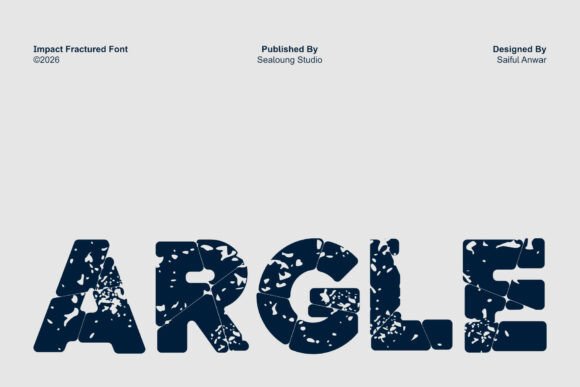
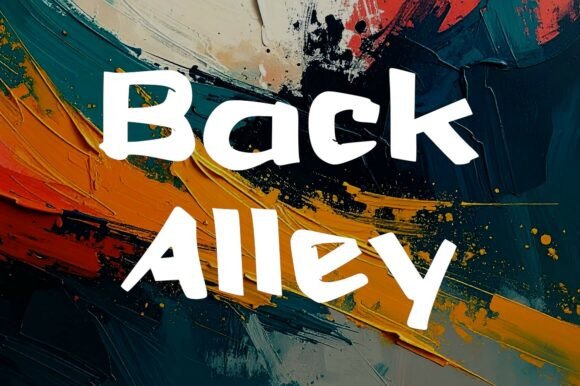
I remember staring at a blank Canva canvas, trying to design a label for my new line of artisan soy candles. The standard serif and sans-serif options felt too polished, too corporate, and completely missed the raw, earthy vibe I wanted to convey. That was the moment I discovered Back Alley, a rough and textured display font that embodies a raw, urban, and somewhat distressed aesthetic. It typically features irregular baselines, uneven strokes, and a handmade feel, often wrapping around edges like a sticker left out in the rain. When I tested it on a mockup for my candle jars, the difference was instant; the text didn't just sit there—it had character.
This isn't just another decorative typeface you can find in every free library. As a creator who sells physical goods and digital downloads, I needed a font that could stand up to high-resolution printing and small cutting machines alike. Back Alley delivers exactly that gritty personality while maintaining enough structure to be legible on product packaging. If you are looking to elevate your brand identity with something that feels authentic and unpolished, this Display font is a game-changer for makers who want their products to tell a story before a customer even reads the ingredients list.
How Back Alley Transforms Product Labels and Packaging Design
When you apply Back Alley to your product labels, you immediately signal a shift from mass-produced to handcrafted. The irregular baselines and uneven strokes create a dynamic visual rhythm that catches the eye on crowded marketplaces like Etsy or at local craft fairs. I used this font to redesign the tags for my boutique clothing line, and the distressed texture added an immediate layer of depth that flat black text simply couldn't achieve. Because it is a Fonts collection designed specifically for impact, it excels at short phrases, names, and titles where you need maximum visual punch.
The font's ability to mimic a handmade feel makes it perfect for various packaging applications. Whether you are designing stickers for your shop, creating custom tote bag prints, or arranging product boxes for seasonal launches, Back Alley adds a touch of urban grit that resonates with modern consumers. It works exceptionally well for "farmhouse" or "industrial" aesthetics, allowing you to pair it with clean, simple imagery without overwhelming the design. However, I found that for very tiny cuts on small stickers, the heavy texture might lose some definition if printed too small, so testing your DPI settings is crucial. For larger packaging elements like front-facing labels or hanging signs, the texture shines, making your brand look established and rugged.
- Sticker Sheets: Use Back Alley for bold headers on die-cut stickers to make them pop against colorful backgrounds.
- Product Tags: Pair the font with kraft paper textures to enhance the rustic, vintage appeal of your boutique items.
- Mug and Shirt Designs: The distressed look mimics screen-printed wear, adding authenticity to merchandise.
Why Back Alley Works Best for Short Phrases and Titles
One of the most important things to consider when selecting a Display font is its readability at scale. Back Alley is not designed for long paragraphs of text or dense technical instructions. Its strength lies in its ability to command attention as a headline or a logo element. I tested it by setting up a wedding welcome board, and the uneven strokes gave the event a cool, edgy vibe that fit perfectly with a non-traditional theme. The font naturally draws the eye to the main message, making it ideal for posters, social media graphics, and large-format signage.
If you are creating printable wall art or planner pages, use Back Alley sparingly. Let it serve as the anchor for your composition, perhaps highlighting a quote or a date, while leaving the body text to a cleaner, more readable typeface. This contrast ensures that your design remains professional and easy to consume. The font's "raw" aesthetic suggests that it belongs in contexts where imperfection is celebrated, such as music festival flyers, streetwear branding, or coffee shop menus. By limiting its use to key areas, you maintain the integrity of the design without sacrificing clarity.
Integrating Back Alley into Digital Downloads and Brand Identity
For creators selling digital assets, Back Alley offers a versatile tool for building cohesive brand identities across multiple platforms. I recently updated my shop's listing images using this font, and the conversion rate seemed to improve because the visuals felt more trustworthy and unique. The font's texture helps digital files stand out in a sea of generic templates. When combined with a clean sans-serif font for details or a flowing script font for accents, you can create a sophisticated typographic hierarchy that guides the viewer through your design.
Before purchasing or downloading, it is essential to check the included styles, alternates, ligatures, and swashes to ensure they meet your commercial needs. Most high-quality Fonts packages come with a variety of weights and multilingual support, which is vital if you plan to sell internationally. Back Alley allows for creative experimentation, letting you stretch, distort, or layer the text to achieve a specific mood. Just remember to review the commercial font licensing terms carefully, especially if you intend to use the designs on merchandise for resale. Understanding these legal boundaries protects your business and ensures you can confidently use Back Alley in your projects.
- Brand Consistency: Use Back Alley as your primary header font across all marketing materials to build recognition.
- Font Pairing: Combine with a simple serif font for editorial designs or a handwritten font for personal touches.
- Cutting Machine Prep: Ensure your SVG files are optimized for Cricut or Silhouette users by simplifying complex paths.
Real-World Applications for Makers and Sellers
The versatility of Back Alley extends far beyond simple labels. I have seen makers use it successfully for everything from holiday tags to digital template previews. The font's ability to convey a "rough and textured" vibe makes it an excellent choice for brands that want to appear authentic and grounded. Whether you are designing a greeting card for a birthday party or a sign for a home decor shop, this font adds a layer of emotional appeal that connects with customers on a deeper level.
However, there are limitations to keep in mind. If your project requires fine print for legal disclaimers or detailed care instructions, avoid using Back Alley. Its distressed nature can make small text difficult to read, which might frustrate your customers. Instead, reserve it for the "hero" elements of your design—the parts you want people to see first. By balancing the boldness of Back Alley with clean, functional typography, you create a design that is both beautiful and practical. This approach ensures that your products not only look great but also communicate clearly, helping you build a loyal following of buyers who appreciate quality and style.